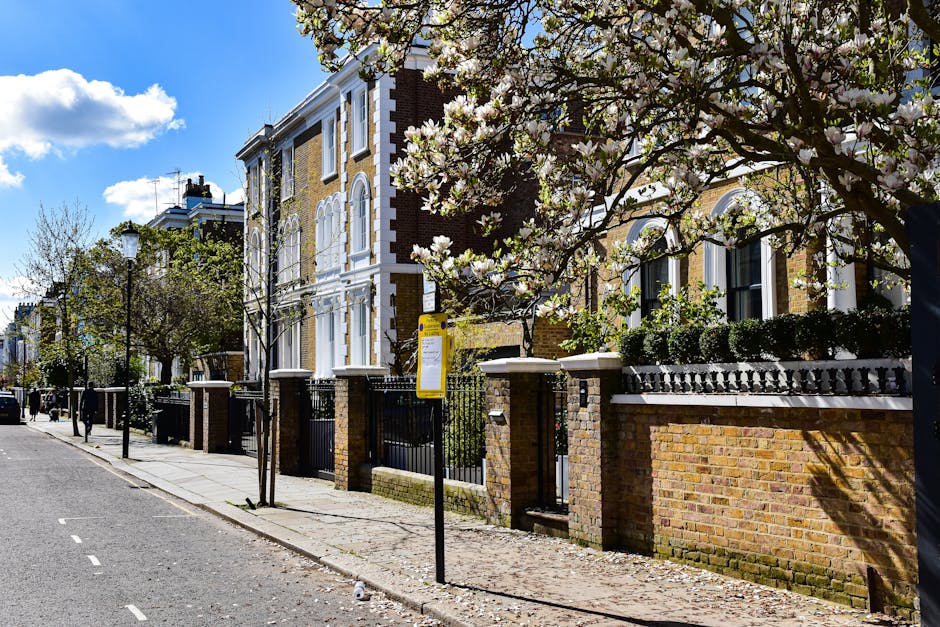
Leighton House Area Removals Guide for Holland Park Homes
Moving near Leighton House is a slightly different animal from a standard London move. The streets feel elegant, the architecture is beautiful, and the access can be awkward in all the usual ways that make removals in Holland Park homes a little more involved than people expect. If you are planning a move in this part of W8, this Leighton House area removals guide for Holland Park homes will help you think clearly about access, packing, parking, timing, and the kind of moving support that actually makes life easier. Truth be told, a smooth move here is less about brute force and more about preparation.
This guide is designed for homeowners, renters, landlords, and anyone coordinating a move close to the Leighton House area. You will find practical steps, local considerations, service comparisons, and a few hard-earned tips that can save a lot of stress on moving day. And yes, we will keep it grounded. No fluff, no grand claims, just useful advice that works in real life.
Why Leighton House area removals guide Holland Park homes Matters
The Leighton House area sits within one of the more characterful parts of Holland Park, where period properties, mansion flats, mews-style homes, and converted buildings all create a very mixed moving landscape. That matters because no two removals are quite the same. A top-floor flat with a narrow stairwell, a family house with restricted frontage, and a ground-floor apartment with resident permit controls all need different planning. If you treat them as identical, little problems become big ones fast.
In practice, moving in this part of London is shaped by three things: access, timing, and care. Access can be tight. Timing may be constrained by building rules, neighbours, or parking conditions. Care matters because many homes here contain valuable furniture, artwork, pianos, antiques, or simply items that are awkward to carry through older interiors. A good moving plan respects the building as much as the belongings.
There is also a lifestyle angle. Holland Park is a place where people value order, discretion, and minimal disruption. A removals team that understands the area can help the day feel calmer, quieter, and more efficient. That can be a real comfort when you are already juggling keys, inventories, solicitors, or completion delays. For local insight into the area itself, you may also find this guide to living in Holland Park useful.
How Leighton House area removals guide Holland Park homes Works
A successful move in the Leighton House area is usually built in stages. First comes the survey or quote. Then comes planning for access, packing, transport, and unloading. Finally there is the actual moving day, which is often smoother than people fear if the prep has been done properly. The best removals are boring in the right way. No drama. Just steady work.
Most local moves follow a similar pattern:
- Assess the property and access. This includes stairs, lifts, narrow halls, door widths, and whether the vehicle can park close enough.
- Choose the right service type. For example, a full house removal, a flat removal, a man and van service, or a more specialist option for furniture or piano transport.
- Pack and label everything clearly. Good labelling speeds up loading, protects fragile items, and saves time at the other end.
- Coordinate parking and timing. In busy parts of Holland Park, this can be the difference between a tidy job and a stressful one.
- Protect the property. Floor coverings, door protection, and careful handling reduce the risk of damage in older homes.
- Unload in the right order. Prioritise essentials first so the new home becomes functional quickly.
Where the move involves a flat or apartment, it often helps to read more about flat removals in Holland Park, especially if you are dealing with upper floors or shared entrances. If it is a full property move, the broader house removals Holland Park service page is a useful reference point too.
One thing people sometimes underestimate is the time spent simply waiting for access to clear. A neighbour may be reversing, a delivery lorry may block the street, or a lift may be temporarily out of service. That is not unusual. The trick is to build a little buffer into the day rather than pretend London will behave itself. It won't, not always.
Key Benefits and Practical Advantages
Using a removals approach tailored to the Leighton House area can make a surprisingly big difference. You are not just paying for transport; you are paying for judgement, coordination, and a calmer move.
- Less risk of damage. Careful handling matters in homes with tight hallways, polished floors, and older fixtures.
- Better time control. The right planning can prevent unnecessary delays caused by parking or access issues.
- Reduced personal stress. You do not have to do everything yourself, which is often a relief on a busy moving day.
- More suitable vehicle choice. A van that is too large can be a headache; one that is too small can mean extra journeys.
- Improved safety. Heavy lifting, awkward corners, and stairs are easier when done by people who do this regularly.
- Better fit for valuable items. Furniture, mirrors, instruments, and artwork need more than standard rough-and-ready handling.
There is a quieter benefit too: confidence. When you know the plan is realistic, you stop second-guessing every detail. That helps. Especially when the kettle is packed somewhere and the broadband router has gone missing, which somehow always happens.
If you are weighing up different types of local support, you can compare broader options on the removal services overview for Holland Park and the more general services overview.
Who This Is For and When It Makes Sense
This kind of local moving guide is useful for more people than you might think. It is not just for owners of large period homes, and it is not just for last-minute movers. Different household types in the Leighton House area run into different challenges.
- Homeowners preparing for a completion date and needing a full house move.
- Flat tenants moving in or out of converted buildings and mansion blocks.
- Families relocating with children, pets, and a long list of boxes that somehow multiplies overnight.
- Older residents who want a careful, low-strain move with less lifting and fewer surprises.
- Landlords and agents coordinating changeovers between occupiers.
- People with specialist items such as pianos, large sofas, or fragile furniture that needs extra attention.
It also makes sense if your move timing is awkward. Same-day completion, short notice access windows, or a need to clear a property quickly can all benefit from a structured approach. In those cases, same-day removals in Holland Park can be worth considering, provided you are realistic about what needs to happen and how much can be done in the time available.
And if your move is more modest in scale, you do not necessarily need a full-service operation. A flexible man with van option in Holland Park or a simple man and van service may be a better fit. The point is to match the service to the job, not the other way round.
Step-by-Step Guidance
Here is a practical way to plan a move around Leighton House without losing your mind halfway through the week. Not glamorous, but it works.
1. Start with the property layout
Measure doorways, stair turns, corridor widths, and any awkward landings. If the sofa needed a small miracle to get in, it will need one to get out too. Note any lifts and whether they are reliable enough for moving day. If you live in a converted building, check for narrow internal bends or low ceiling points.
2. Decide what goes, what stays, and what can be stored
Before packing starts, separate keep, donate, recycle, and store. A move is the perfect moment to be honest about duplicate furniture or things that have sat untouched for years. If you need temporary space, storage in Holland Park can make a short gap between properties far easier to manage.
3. Book the right help early
Do not leave this until the week before if you can help it. Local moves in busy parts of London often need planning around access and timing. If you are not sure which option suits you, compare removal companies in Holland Park and see what kind of support they offer beyond simple transport.
4. Pack room by room
Pack one room at a time and label each box clearly with both the room and a short description of the contents. "Kitchen - glassware" is better than "misc". Much better. Keep essentials separate: medication, chargers, documents, kettle, toilet paper, and a change of clothes. That little box is gold on day one.
5. Protect fragile and high-value items
Wrap mirrors, lamps, framed artwork, and delicate furniture properly. For specialist pieces, speak to a team that understands furniture removals in Holland Park or, if needed, piano removals. A grand piano and a rushed plan are not friends. Not even close.
6. Confirm parking and timing
Work out where the van can stop, how long loading will take, and whether you need any temporary arrangements for resident or visitor parking. In the Leighton House area, street space can be tight, so this step is worth treating seriously. For narrow-road planning, the article on Holland Park Avenue removals for narrow streets has useful related insight.
7. Walk the route before move day
If you can, check the route from the property entrance to the van position. One extra step matters when you are carrying boxes, and one unexpected kerb can be enough to slow things down. Better to notice it now than when a wardrobe is already halfway outside.
8. Do a final sweep before locking up
Open cupboards, check loft areas, look behind doors, and inspect the meter cupboard, bathroom shelves, and windowsills. You would be amazed how often a charger or a set of keys turns up in the last five minutes. Moving day has a talent for hiding things in plain sight.
Expert Tips for Better Results
Small decisions can have outsized effects on moving day. These are the things that tend to make the biggest difference in practice.
- Use colour-coded labels. Simple coloured stickers can speed up unloading more than you would think.
- Keep one "first night" bag. Include chargers, toiletries, snacks, basic tools, and bedding if needed.
- Photograph cable setups. This saves time later when reconnecting TVs, routers, and work equipment.
- Stack boxes by weight, not by convenience. Heavy items lower down; lighter ones on top. Common sense, but often ignored.
- Tell the movers about awkward items in advance. A heads-up about a marble table or oversized wardrobe can prevent a lot of wobbling on the day.
- Build a bit of slack into the schedule. London traffic, building access, and delivery conflicts are part of the landscape.
One practical detail people often miss is sound. In elegant residential streets, especially early morning or late afternoon, a quieter, more measured move is usually better received than a rushed one. It feels more respectful. And to be fair, it usually goes more smoothly too.
If sustainability matters to you, it may also be worth reading the site's recycling and sustainability information. A move is a good time to cut waste, donate usable items, and avoid sending perfectly good furniture to landfill.
Common Mistakes to Avoid
Most moving problems come from a few predictable mistakes. None of them are dramatic in isolation, but together they can create a messy day. Here is what to watch out for.
- Booking the wrong vehicle size. Too small means multiple trips; too large can make access harder.
- Underestimating packing time. Packing always takes longer than people think. Always.
- Ignoring access restrictions. A building with no lift, narrow stairs, or time-limited entry changes everything.
- Leaving fragile items unprotected. Paper wrapping is not enough for much of anything, honestly.
- Forgetting to check the removal terms. It helps to understand what is included, what is excluded, and how changes are handled.
- Not preparing for delays. A small hold-up is normal; panic makes it worse.
Another quiet mistake is trying to move everything yourself just to save a bit of money. Sometimes that works. But if the items are heavy, valuable, or awkward, the risk can outweigh the saving very quickly. You do not need heroic suffering as part of a house move. Nobody does.
Before you confirm a booking, it can also help to review the company's insurance and safety information so you know how they handle responsibility and care. That kind of reassurance matters when you are trusting someone with the contents of your home.
Tools, Resources and Recommendations
You do not need a lot of specialist gear to manage a good move, but the right basics make things easier.
| Tool or Resource | Why It Helps | Best Use |
|---|---|---|
| Strong boxes | Protects belongings and makes stacking safer | Books, kitchen items, mixed household goods |
| Bubble wrap and paper | Cushions fragile items | Glass, ceramics, mirrors, frames |
| Furniture covers | Helps prevent scuffs and scratches | Sofas, chairs, tables, wardrobes |
| Labels and marker pens | Speeds up unloading and room placement | Every box, no exceptions |
| Tape, straps, and trolleys | Improves handling and secures loads | Loading, carrying, and van organisation |
| Temporary storage | Bridges date gaps and reduces pressure | Delays, renovations, downsizing |
For packing support, the packing and boxes service can be a sensible way to save time and reduce damage risk, especially if you are moving on a tight deadline. If you only need a lighter-touch service, the man and a van option in Holland Park can be a practical middle ground.
One more tip: keep your own essentials kit separate from the removal load. Not glamorous, but it stops the classic first-night scramble. A kettle, mugs, toothpaste, phone chargers, and a clean towel can make the new place feel like home within an hour. Small thing. Big mood shift.
Law, Compliance, Standards, or Best Practice
For most domestic removals, the key compliance issues are less about complicated law and more about sensible professional practice. If you are hiring movers, you want to know they are operating safely, handling possessions carefully, and being clear about their terms. That is simply good practice in any residential move.
In the UK, moving companies should take health and safety seriously, particularly when handling heavy loads, stair carries, and awkward access. Clear communication about responsibilities, access conditions, and item fragility is part of that. If you are comparing providers, it is reasonable to ask how they approach protection of property, lifting practices, and incident handling. A proper company should not be vague about this.
It is also sensible to understand contractual details before the move, especially if you are booking services at short notice. Terms, payment expectations, cancellation arrangements, and complaint handling should all be transparent. You can review practical service information such as terms and conditions, payment and security, and the complaints procedure before deciding.
For customers who value responsible sourcing and ethical operations, company-level policy pages can also matter. The website's about us, modern slavery statement, and accessibility statement pages give a clearer sense of standards and service approach.
Options, Methods, or Comparison Table
There is no single best way to move in the Leighton House area. The right method depends on the size of the home, the access, and how much of the packing you want to handle yourself. Here is a simple comparison that helps narrow it down.
| Option | Best For | Pros | Trade-offs |
|---|---|---|---|
| Full house removals | Larger homes, family moves, complex loads | Most support, less lifting for you, structured plan | Usually costs more than lighter services |
| Flat removals | Apartments, conversions, upper-floor moves | Useful for stairs, access planning, quicker handling | May still need careful timing and parking |
| Man and van | Smaller moves, single items, student-style relocations | Flexible and often efficient for lighter loads | Less suited to full household moves |
| Specialist item removal | Pianos, antique furniture, fragile pieces | Extra care and equipment for valuable items | May require more planning and coordination |
| Storage plus removal | Moves with date gaps or renovation timing | Flexible, low-pressure, helpful for staged relocations | Adds another step to manage |
If you are still unsure, a quick conversation with a local team is usually enough to clarify the best fit. A good quote should feel like advice, not a hard sell. That distinction matters.
Case Study or Real-World Example
Here is a realistic example based on the kind of move people often face around Holland Park.
A couple in a first-floor flat near the Leighton House area needed to move into a larger house a few streets away. They had a wide sofa that barely fitted through the staircase on the way in, a heavy dining table, several boxed books, and a piano that had to stay upright and protected. They also had a tight completion window and limited parking outside both properties.
Instead of trying to do everything in one rushed go, they broke the move into clear stages. The piano was planned as a specialist item. Fragile items were packed the day before. One person stayed at each property to direct access. The team used a suitable vehicle size rather than an oversized van that would have complicated parking. The result was not magical, just organised. Fewer trips, fewer delays, fewer "where is the tape?" moments.
The most important part? They allowed enough time for the route between the front door and the vehicle. That sounds minor, but in older residential streets it really is the difference between smooth and chaotic. A move like that can feel almost calm when the planning is right. Almost.
Practical Checklist
Use this checklist in the week before your move.
- Confirm the moving date and any timing restrictions.
- Measure key furniture and check access routes.
- Decide which items need specialist handling.
- Book the right removal service for the property size.
- Arrange parking or stopping space where possible.
- Label boxes by room and priority.
- Pack a first-night essentials bag.
- Protect floors, corners, and delicate surfaces.
- Set aside documents, keys, and chargers.
- Review payment, insurance, and service terms.
- Check whether storage is needed for any gap in dates.
- Do a final empty-room check before leaving.
Practical takeaway: The best moves near Leighton House are usually the ones with simple planning, clear labels, realistic timing, and the right size vehicle. Fancy solutions are rarely the answer. Solid preparation usually is.
Conclusion
Moving in the Leighton House area is very doable, but it pays to respect the local realities. Holland Park homes often come with beautiful details and awkward logistics in equal measure. If you plan for access, pack properly, choose the right service, and give yourself a little breathing room, the whole process becomes far less exhausting.
Whether you need full removals, a light man and van move, help with fragile furniture, or temporary storage, the smartest next step is to match the service to your property and your timeline. That is where the stress starts to drop away. And honestly, that is what most people want most: a move that feels controlled, not chaotic.
If you are preparing a move nearby, explore the relevant service pages, compare your options, and speak to a local team that understands the area's pace and practical challenges. A calm move is rarely an accident. It is usually the result of decent planning and a bit of local know-how.
Get a free quote today and see how much you can save.
Frequently Asked Questions
What is the best type of removal service for the Leighton House area?
It depends on the size of your property and how much you are moving. Full house removals suit larger, more complex moves, while a man and van or flat removal service may be enough for smaller loads or simpler access.
Are removals in Holland Park usually more complicated than elsewhere?
They can be, mainly because many homes have older layouts, tighter access, and limited parking. That does not make them difficult by default, but it does mean planning matters more than usual.
How far in advance should I book a move near Leighton House?
As early as you can, especially if your moving date is tied to completion or school dates. Last-minute bookings are sometimes possible, but early planning gives you more choice and less stress.
Do I need storage if there is a gap between move-out and move-in dates?
If there is any gap at all, storage can be a very practical solution. It helps you avoid rushing the move or leaving items with nowhere to go. Even a short gap can be much easier with storage in place.
Can a man and van handle a full flat move?
Sometimes, yes, if the flat is small and the amount of furniture is modest. But for larger flat moves, especially those with stairs or awkward items, a more complete removals service is usually the safer bet.
How should I prepare fragile items like mirrors and artwork?
Wrap them properly, label them clearly, and keep them separate from heavy boxes. If you have very valuable pieces, mention them to the removals team in advance so they can plan the handling.
What should I do about parking on moving day?
Check the space near both properties and think through where the van can stop without blocking access. In central London residential streets, parking is often the key logistical issue. A little planning here goes a long way.
Is it worth using a specialist service for a piano?
Yes, definitely. Pianos are heavy, awkward, and easy to damage if handled badly. A specialist approach helps protect both the instrument and the property.
What packing mistakes cause the most problems?
Weak boxes, poor labelling, overfilled cartons, and mixing heavy and fragile items are the big ones. Packing room by room and keeping essentials separate usually prevents most headaches.
How do I compare removal companies in Holland Park?
Look at the services they offer, whether they explain access planning clearly, how they handle insurance and safety, and whether their pricing feels transparent. You can also review the site's pricing and quotes page for a better sense of what to ask.
Can removals be done on the same day if my completion is delayed until late?
Sometimes they can, depending on availability and the size of the move. Same-day removals are best suited to well-prepared, flexible jobs rather than large complicated relocations with many variables.
Where can I learn more about the local area before moving there?
The site's local articles are a good place to start, especially the pieces on Holland Park's green spaces and property investment in Holland Park. They help give a broader feel for the area you are moving into.