Piano Removals in Holland Park
If you need Piano Removals in Holland Park, you are likely looking for more than just a van and a few strong hands. A piano is a delicate, heavy, and often sentimental instrument that needs careful planning, the right equipment, and experienced movers who understand how to protect both the piano and your property. In an area like Holland Park, where elegant townhouses, mansion blocks, lower-ground flats, and busy residential streets create very different access conditions, a professional approach matters from the first enquiry to the final placement in your chosen room.
Whether you are moving an upright piano from a family home, relocating a baby grand from a music room, or arranging a commercial move for a school, studio, church, or hospitality venue, the process should feel smooth and well-managed. Local customers often need help with stairs, tight hallways, limited parking, shared entrances, and careful coordination with building managers or neighbours. A good local team can make all of that easier.
This page explains what piano moving services typically include, how the process works, what affects the cost, and why a local specialist is particularly useful in Holland Park and the surrounding area. If you are planning a move soon, this is a practical place to start. Contact us today to discuss your move and request a free quote when you are ready.
Why Piano Removals Need Specialist Care

A piano is not simply another piece of furniture. It is dense, awkward to handle, and highly vulnerable to damage if it is moved without the right lifting methods and protective materials. Even a relatively compact upright can be difficult to manoeuvre through a hallway or around a staircase turn. Grand pianos introduce another layer of complexity because of their shape, lid, legs, pedals, and sensitive internal components.
Professional piano removals in Holland Park are designed to reduce risk at every stage. That includes protecting the instrument with padded wrapping, using lifting straps and appropriate trolleys, checking access points in advance, and planning each movement so the piano remains stable. The aim is not just to lift the piano, but to move it safely through the property and into position without unnecessary strain or disruption.
It is also important to protect the building itself. In Holland Park, many homes feature polished floors, bannisters, narrow staircases, period features, or decorative finishes that can be scratched or marked if a move is rushed. A careful removals team uses the correct method to safeguard walls, corners, floors, door frames, and entrance ways while keeping the move efficient.
Local Knowledge Matters in Holland Park
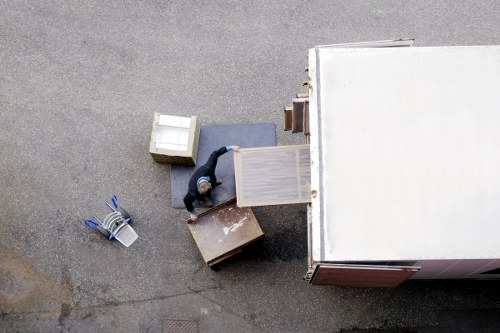
Moving a piano through Holland Park is rarely the same as moving one in a wide-open suburban driveway. Local streets can be busy, parking may be restricted, and access can vary greatly from one building to the next. Some properties have front steps and narrow internal landings, while others require careful handling through communal entrances, lower-ground access, or side passages. A local team that understands these practical realities can plan ahead and avoid last-minute problems.
There is also value in understanding the broader neighbourhood. Many customers in and around Holland Park are moving between nearby areas such as Kensington, Notting Hill, Shepherd’s Bush, Bayswater, and Earl’s Court, where property layouts and access rules can differ considerably. If you are moving a piano from one London property to another, the team handling the job should be ready for permit considerations, time-sensitive loading, and the kind of access constraints common in central and west London homes.
Local experience can make a noticeable difference for customers who need a move to happen neatly and on schedule. It helps when the crew is used to working around residents, concierges, managed buildings, and business premises that require a quieter, more organised approach. In Holland Park piano removals, the details matter just as much as the lifting.
What Our Piano Removal Service Can Include

Every piano move is different, but a reliable service should always be built around planning, protection, and safe handling. Depending on the move, your service may include the following:
- Pre-move assessment of access, stairs, entrances, and the piano type
- Protective wrapping to guard the instrument and surrounding areas
- Skilled lifting and carrying using appropriate equipment
- Careful navigation through hallways, lifts, staircases, and narrow turns
- Loading and securing in the transport vehicle
- Delivery and placement in the new room or designated area
- Support for difficult access where stairs, tight corners, or limited parking are involved
- Commercial piano moves for schools, studios, venues, and businesses
Some customers also need help with disposal or relocation planning for multiple items, for example when a room is being cleared for renovation, a family home is being reorganised, or an institution is updating its musical equipment. In these situations, the removals team should help keep the process organised and minimise disruption.
Book your service now if you know your move date and want to secure a suitable slot, especially if it needs to align with building access windows or limited parking times.
Types of Pianos We Move

Different pianos require different handling, which is why it is useful to choose movers who can work with a range of instruments. A professional team should be comfortable managing:
- Upright pianos
- Baby grand pianos
- Grand pianos
- Digital pianos and stage pianos
- Console and studio pianos
- Older or antique instruments that need extra caution
Upright piano removals are often more straightforward, but they can still be difficult in homes with narrow landings or staircases. Grand piano removals involve additional steps, including safe positioning, leg and pedal considerations, and careful loading. Even digital pianos may require specialist handling if they are large, heavy, or part of a broader house move involving other valuable equipment.
For customers with heirloom instruments or pianos with sentimental value, careful handling is just as important as physical strength. A good mover will appreciate that the piano may be much more than an item on a checklist. It may have been in the family for years, used for practice, performance, or teaching, and needs to arrive in the same condition in which it left.
How the Piano Moving Process Works

Most customers want a move that feels straightforward and predictable. A clear process helps build confidence and reduces stress on the day. While every job is different, the usual steps for piano removals in Holland Park look something like this:
- Initial enquiry – You explain the piano type, collection and delivery locations, and any access details such as stairs, parking, or building restrictions.
- Assessment – The removals team reviews the likely challenges and determines what equipment and vehicle space may be needed.
- Preparation – The piano is prepared for moving, and the property is checked to protect floors and interior finishes.
- Collection – The piano is carefully moved from its current position to the vehicle.
- Transport – The instrument is secured for travel to help keep it stable during transit.
- Delivery – The piano is placed in the new property, with care taken around entrances, stairs, and room layout.
- Final positioning – The piano is placed where you need it, ready for tuning or further setup if required.
This process is especially helpful in Holland Park because moves often involve more than one practical challenge. A house with a grand staircase, a flat with no lift, or a mews property with limited kerb access all need different planning. The right team will make those details part of the plan, not an afterthought.
Preparing for a Piano Move
Good preparation makes the move easier, faster, and safer. Even when you hire specialists, a few simple steps can help everything go more smoothly on the day. If you are arranging a piano move in Holland Park, consider the following checklist:
- Measure doorways, hallways, landings, and stair turns if access is tight
- Let the movers know about steps at the front, rear, or inside the property
- Tell them if the piano is upstairs, in a basement, or in a difficult-to-reach room
- Arrange parking or loading access where possible, or check local restrictions in advance
- Remove sheet music, accessories, and fragile items from and around the piano
- Make sure children and pets are kept away from the moving route
- Clear any obstacles such as small tables, rugs, and decorative objects
- Inform building management or neighbours if access needs to be coordinated
If you are moving from a period property, try to identify any sensitive features such as narrow door frames, ornate railings, or uneven floors. The more your removals team knows beforehand, the easier it is to plan an efficient and respectful move. When customers are organised, the whole process tends to feel calmer and more controlled.
Request a free quote if you would like to discuss the access details before moving day. That conversation can save time later and help identify the right approach early on.
Pricing Factors for Piano Removals
Customers often ask what affects the cost of piano removals. While exact prices depend on the job, several common factors usually influence the quote:
- Piano type and size – A compact upright is different from a full-size grand
- Access conditions – Stairs, tight turns, basement spaces, or difficult loading points can affect the job
- Distance – Local moves within Holland Park or nearby areas are different from longer transport jobs
- Team and equipment required – Heavier or more complex moves may need extra handling resources
- Property layout – The number of floors, corridor widths, and lift availability all matter
- Timing – Moves that need to fit around building access rules or busy city traffic may require added planning
It is worth remembering that the cheapest option is not always the best option when a piano is involved. A lower quote may not account for the level of protection, experience, or preparation required. Customers usually want value, reliability, and peace of mind, not just a basic transport service. A sensible quote should reflect the realities of the move and the care needed to complete it properly.
For many customers, speaking through the details first is the best way to avoid surprises. If you have an upright in a town house, a baby grand in a top-floor flat, or a piano being moved into a commercial venue, the level of difficulty may differ substantially.
Residential Piano Moves Across Holland Park
Many requests for piano removals come from private homes. In Holland Park, that might mean a family house with multiple floors, a mansion block apartment, a split-level flat, or a mews property with restricted frontage. Each setting presents different challenges, and a careful removal plan should be tailored accordingly.
Residential customers often need support when:
- Moving home within Holland Park or to another London area
- Relocating a piano into a new music room or extension
- Repositioning an instrument during a refurbishment or redecorating project
- Delivering a piano purchased privately or through a dealer
- Removing a piano from a property that is being cleared or prepared for sale
In homes with delicate finishes, a removal team should work neatly and respectfully. That means planning around rugs, polished floors, narrow staircases, glass doors, and shared entrances. A good local mover will also keep disruption down as much as possible, which is particularly useful in properties where neighbours are close by or access is shared.
Commercial Piano Removals and Venue Moves
Commercial customers in and around Holland Park may need piano transport for a very different set of reasons. Schools, teaching studios, performance spaces, churches, hotels, restaurants, and event venues all have their own requirements. Timing, access control, and protection of surrounding equipment are often just as important as the move itself.
Commercial piano removals can include:
- Moving a piano between rooms on the same site
- Relocating a teaching instrument to a new studio or rehearsal space
- Delivering a piano for performances, events, or temporary use
- Removing unused instruments during refurbishments or fit-outs
- Coordinating with venue managers and facilities staff
For businesses, a reliable removals team helps keep downtime low. A school may need the piano moved outside lesson hours. A hotel or restaurant may need the work carried out with care around guests and staff. A studio may need extra protection for audio equipment and flooring. Local expertise helps the job run to plan and reduces interruptions to normal operations.
Why Choose a Local Company for Piano Removals in Holland Park
There are real advantages to using a team that regularly works in the area. A local company is more likely to understand traffic patterns, parking challenges, and the kinds of property layouts common in Holland Park and nearby neighbourhoods. That can mean better planning, a more practical schedule, and fewer surprises on the day.
Choosing a local specialist can also be beneficial when you need flexibility. If you have a narrow access window, are coordinating with a porter or concierge, or need the move arranged around other contractors, a team familiar with west London logistics may be easier to work with. The right removals partner should feel organised, responsive, and prepared rather than rushed.
For customers ready to move forward, book your service now or contact us today to discuss the details. Even a short conversation can help clarify what is needed and how the move can be completed with care.
Practical Access Challenges in the Area
One of the biggest reasons customers look for specialist Holland Park piano removals is access. Properties in the area can be beautiful, but beauty often comes with practical complications for moving large instruments. Common examples include:
- Narrow staircases in period homes
- Basement rooms and lower-ground access
- Limited or restricted parking on residential streets
- Shared entrances in mansion blocks
- Small lifts that are unsuitable for larger instruments
- Courtyards, garden access points, or rear entries with tight turns
Each of these obstacles can be managed with the right planning, but they need to be identified early. That is why a proper pre-move discussion is so important. If the route includes a staircase turn or a landing with little room to manoeuvre, the team may need alternative lifting techniques or extra protection for the property. Good planning is often the difference between a stressful move and a straightforward one.
Underlining the importance of preparation: even when the instrument itself is manageable, the route in and out of the property may not be. That is why experience matters so much in local piano transport.
What Makes a Smooth Move on the Day
A smooth piano move is usually the result of clear communication and sensible preparation. Customers do not need to oversee every detail, but they do benefit from knowing what to expect. On moving day, the team should arrive prepared, confirm the access plan, protect the property, and work methodically.
Useful signs of a well-run move include:
- The team asks sensible questions before arriving
- They come with suitable protective materials and moving equipment
- They take time to assess the route before lifting
- They handle the instrument calmly, not hurriedly
- They keep the area tidy and organised as they work
- They place the piano carefully in the chosen position at the destination
Customers often feel most reassured when the removals team explains what they are doing and why. A piano is valuable, heavy, and awkward to handle, so confidence comes from seeing a thoughtful process in action. That is especially true in homes and businesses where the surroundings are refined or sensitive to damage.
Frequently Asked Questions
Can you move an upright piano up or down stairs?
Yes, in many cases upright pianos can be moved up or down stairs, but the stairs, landings, and overall access must be assessed carefully. The size and weight of the piano, along with the width of the staircase and available turning space, will determine the best method.
Do grand pianos need to be taken apart?
Grand pianos usually require partial dismantling for safe transport, including the removal of the legs and pedals as appropriate. The exact method depends on the model and access route.
Can you move a piano from a flat or top-floor apartment?
Yes, but upper-floor moves often need extra planning, especially if the building has narrow stairwells or a small lift. This is common in many London properties, including some in and around Holland Park.
How far in advance should I book?
It is best to book as early as possible, especially if your move needs to fit around access times, parking restrictions, or other removals. Popular dates can fill quickly.
Will you help place the piano in the new room?
Yes, a professional service should place the piano in the room or position agreed in advance, provided the access route is safe and suitable.
Do you move pianos for businesses as well as homes?
Yes. Piano moves can be arranged for residential and commercial customers, including studios, schools, venues, and other organisations.
Areas Covered Around Holland Park
Local piano moving services are often needed not only in Holland Park itself but also in surrounding west and central London neighbourhoods. Nearby areas frequently include:
- Kensington
- Notting Hill
- Shepherd’s Bush
- Bayswater
- Earl’s Court
- White City
- West Kensington
- Paddington
Customers moving between these areas often face similar practical issues, such as controlled parking, basement access, narrow staircases, and high-value interiors. A team that already works across these locations is usually better prepared for the realities of west London removals.
If your move is part of a larger home relocation, renovation, or business change, it can help to keep the piano move separate from general household removals. That way, the instrument gets the specialist attention it deserves. Contact us today if you would like to discuss a piano move in Holland Park or a nearby area.
Choosing the Right Piano Removal Service
When comparing options, customers often want reassurance that their instrument will be treated with care. It helps to look for a removals service that sounds practical, knowledgeable, and organised. You do not need exaggerated promises; you need a team that understands the work involved and takes the right precautions.
Good questions to ask include:
- Have you handled piano moves in buildings like mine before?
- What information do you need about access and stairs?
- What protective materials and equipment are used?
- Can you handle both residential and commercial piano moves?
- How should I prepare the room and the instrument before moving day?
These questions help you judge whether the service is a good fit. A dependable provider should be happy to talk through the practical side of the move in plain language. That kind of straightforward communication is often what customers appreciate most.
Helpful reminder
Measure first, plan early, and keep the access route clear. Those simple steps can make a big difference to how smoothly the move goes.
Final note for local customers
If you are looking for piano removals in Holland Park, the best time to plan is before moving day gets close. With the right preparation and a specialist team, your piano can be moved carefully and with far less stress.
Ready to Arrange Your Move?
Whether you are moving an upright piano across the road, relocating a baby grand to another part of London, or arranging a commercial instrument move, the right support can make the job much easier. A specialist approach protects your piano, your property, and your peace of mind.
For Piano Removals in Holland Park, choose a team that understands local access issues, takes preparation seriously, and works with care from start to finish. Request a free quote, discuss your access details, and book your service now when you are ready to move forward.